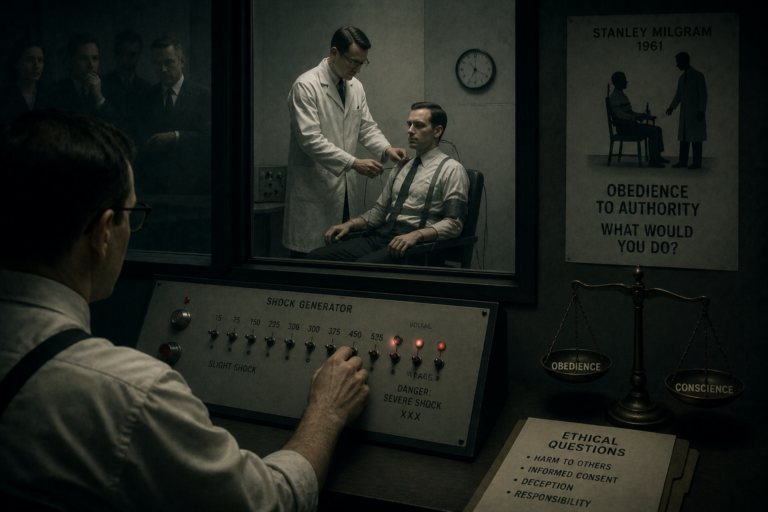

A toxic work environment does not always look dramatic from the outside.
It is not always shouting, obvious conflict, or a manager behaving badly in front of everyone. More often, it develops quietly. It shows up in the employee who stops sharing ideas, the team that communicates only through tension, the constant late-night messages, or the person who is technically performing well but is clearly running on empty.
A company can offer decent salaries, attractive offices, flexible working arrangements, and strong benefits, while still creating an environment that drains people. That is because workplace culture is not defined by perks alone. It is shaped by how people are treated, how work is organised, how leaders communicate, and whether employees feel respected and safe enough to speak honestly.
For leadership, this is not only a wellbeing issue. It is a business issue. A difficult working environment affects retention, collaboration, decision-making, customer service, creativity, productivity, and the ability to attract strong talent.
A healthy workplace does not mean that everyone is always happy or that there are never difficult deadlines. It means that people can do demanding work without feeling constantly threatened, dismissed, confused, or exhausted.
Here are ten signs that leadership should take seriously before they become part of the company’s normal way of operating.
1. People Are Afraid to Speak Up
One of the clearest warning signs is silence.
When employees avoid disagreeing with managers, do not raise concerns, or feel uncomfortable admitting that they need support, the organisation loses valuable information. Problems do not disappear because nobody talks about them. They usually become harder to solve.
A strong team is not one where everyone agrees with every decision. It is one where people can say, “I do not think this will work,” “I need more clarity,” or “We may be missing something,” without worrying that they will be labelled difficult or disloyal.
Leaders should pay attention not only to what employees say in meetings, but also to what nobody feels comfortable saying.
If people only speak honestly in private conversations, the company may have a psychological safety problem.
2. Burnout Is Treated as Commitment
In some workplaces, being constantly available is seen as a sign of dedication.
Employees reply to emails late at night. Messages continue during weekends. Leaving work on time is quietly judged. People feel pressured to prove that they care by being permanently “on.”
Of course, every organisation has demanding periods. A major project, a busy season, or an unexpected crisis can require extra effort. The issue begins when this becomes the normal rhythm of work.
When exhaustion is treated as proof of loyalty, people eventually pay the price. They become less focused, more anxious, more likely to make mistakes, and less able to think creatively. Over time, many simply leave.
Leadership should not only ask whether the work was completed. It should also ask what it cost the people who delivered it.
3. Roles and Priorities Keep Changing Without Explanation
Uncertainty can be deeply stressful.
Employees need to understand what is expected of them, what their responsibilities are, what should come first, and who makes key decisions. When those things change constantly without explanation, people start working defensively.
They try to cover everything. They second-guess themselves. They worry about missing something important. They spend time trying to understand internal politics instead of focusing on the work itself.
This often happens in fast-growing businesses, small companies, or organisations going through change. The pace may be high, but that does not mean communication should disappear.
Clear priorities do not remove pressure, but they make pressure manageable.
A good leader does not assume that everyone “just knows” what matters most. They explain expectations, clarify ownership, and communicate openly when plans change.
4. Bad Behaviour Is Excused as “Strong Personality”
Some workplaces tolerate behaviour that would never be acceptable outside the office.
A manager humiliates someone in a meeting. A senior employee uses sarcasm to control the room. A high performer intimidates colleagues. Someone regularly raises their voice, but everyone is expected to accept it because they are “passionate,” “demanding,” or “just like that.”
This is not high performance. It is poor behaviour being protected.
There is a difference between being direct and being disrespectful. There is a difference between having high standards and making people feel small. Leadership should be able to give honest feedback, push for better work, and make difficult decisions without creating fear.
When bad behaviour is ignored because the person delivers results, the message is clear: performance matters more than respect.
That message eventually damages the entire culture.
5. Gossip Has Become the Main Communication Channel
Gossip exists in every workplace to some degree. The problem starts when employees rely on it because official communication cannot be trusted.
If major changes are always discovered through rumours, if people are unclear about what is happening in the company, or if decisions appear without context, employees will naturally try to fill the gaps themselves.
That is when informal conversations turn into anxiety, assumptions, and mistrust.
People begin asking each other questions they should be able to ask leadership directly. Teams create their own versions of reality. Small issues become larger because nobody knows what information is accurate.
The answer is not to ban informal conversations. It is to communicate better.
When leadership is transparent, consistent, and willing to explain decisions, people do not need to rely on rumours to understand their own workplace.
6. Employees Only Hear Feedback When Something Goes Wrong
In a toxic work environment, people often receive attention only when they make a mistake.
Good work is treated as expected. Extra effort goes unnoticed. But when something goes wrong, the criticism is immediate, public, and sometimes disproportionate.
This creates a culture of fear.
Employees become more focused on avoiding mistakes than on doing meaningful work. They stop suggesting ideas. They avoid taking initiative. They choose the safest option, even when a more creative or ambitious approach could produce better results.
Good feedback is not about making everything sound positive. It is about being honest, specific, fair, and constructive.
Employees need to know what they are doing well, what needs improvement, and what support is available. When feedback only appears as punishment, it stops being useful.
7. High Turnover Is Seen as “Normal”
Every business will lose employees from time to time. People change careers, move cities, take different opportunities, or simply need a new challenge.
But when people repeatedly leave the same department, the same role, or the same manager, leadership should not dismiss it as bad luck.
High turnover is often a signal.
It may point to unrealistic workloads, poor management, lack of development opportunities, unclear expectations, unfair treatment, or a workplace culture that people no longer want to tolerate.
Replacing employees quickly is not the same as solving the problem.
Leadership should look for patterns. Exit interviews, anonymous surveys, one-to-one conversations, and retention data can reveal issues that are easy to miss from the top.
The question should not only be, “Who can we hire next?” It should also be, “Why are good people leaving in the first place?”
8. Employees Have No Control Over How They Work
Not every role can offer complete flexibility. Some jobs require clear processes, close coordination, or strict standards.
Still, there is a major difference between structure and micromanagement.
When employees need approval for every small decision, when managers constantly monitor activity instead of outcomes, or when people are given responsibility without any real autonomy, motivation tends to drop.
People want to feel trusted.
They want to understand the goal, have the tools to do their job, and have some freedom in how they organise their work. Excessive control often creates frustration, slows down decision-making, and makes capable employees feel like they are not trusted to think for themselves.
Strong leadership sets direction. It does not try to control every movement.
9. Conflict Is Avoided Instead of Managed
Conflict is not always a bad thing.
Different opinions can lead to better ideas, stronger decisions, and healthier debate. The problem is not disagreement. The problem is when disagreement is ignored, buried, or allowed to become personal.
In unhealthy workplaces, tensions often stay unresolved for too long. Managers avoid difficult conversations. Employees are told to “move on” without actually addressing what happened. Complaints are treated as personal drama rather than information about a wider issue.
Over time, people stop trusting one another. Teams become divided. Collaboration becomes harder because everyone is protecting themselves.
Leadership needs to create clear ways for employees to raise issues and resolve conflicts before they become bigger than the original problem.
Ignoring tension does not make it disappear. It simply gives it more time to grow.
10. Leadership Listens but Nothing Ever Changes
This may be one of the most discouraging signs of all.
The company runs surveys. Managers ask for feedback. Leaders say that the door is always open. Employees share concerns about workload, communication, behaviour, or lack of support.
Then nothing happens.
Even when not every request can be met, people need to see that their feedback leads somewhere. They need to understand what is being considered, what can change, what cannot change, and why.
When employees are asked for their views but never see action, they eventually stop being honest. They stop filling out surveys. They stop raising problems. They stop believing that the organisation genuinely cares.
Trust is not built through slogans about openness. It is built through visible follow-through.
What Can Leadership Do?
Addressing a toxic work environment does not begin with a motivational email or a one-off wellbeing workshop.
It begins with looking honestly at how work is designed and managed.
Leadership should examine workload, communication, clarity of roles, manager behaviour, team relationships, decision-making processes, employee autonomy, and how change is handled. It should also make it safe for people to report concerns without fear of retaliation.
Practical steps may include clearer priorities, more realistic workloads, better manager training, regular one-to-one meetings, stronger feedback processes, anonymous employee surveys, transparent communication around change, and clear consequences for disrespectful behaviour.
The aim is not to create a workplace without pressure. That is not realistic.
The aim is to create a workplace where people can handle pressure without losing their sense of dignity, safety, or trust.
Final Thoughts
A toxic workplace rarely appears overnight. It is usually built through repeated small decisions: the problem that was ignored, the manager who was never challenged, the employee who was overworked, the concern that was dismissed, the feedback that was collected but never acted on.
The good news is that culture can change.
When leadership takes these warning signs seriously, listens carefully, and makes practical changes, it protects more than employee wellbeing. It protects performance, loyalty, reputation, and the long-term future of the business.
A healthy workplace is not a soft ambition. It is one of the strongest foundations a company can build.